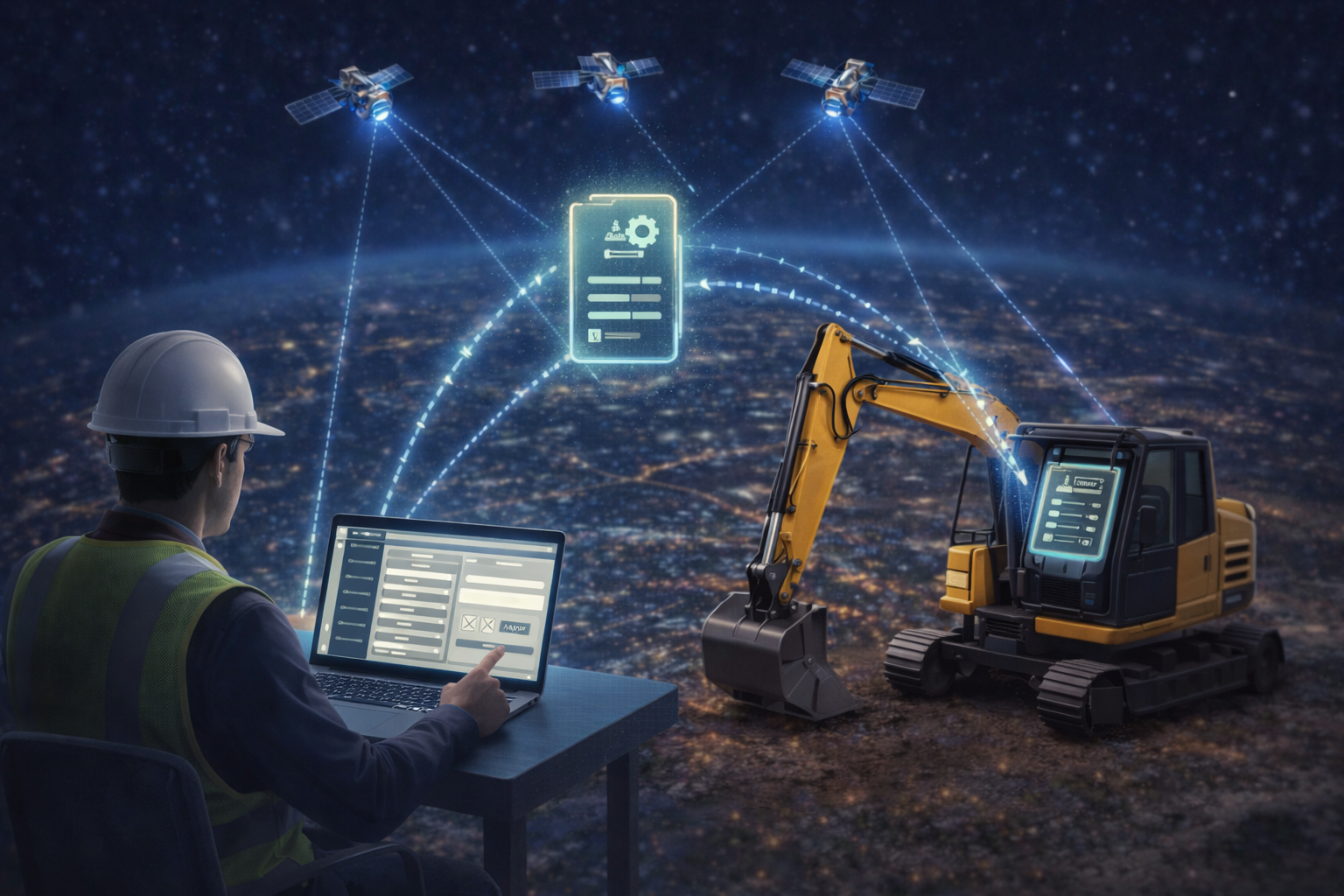
How GeoGotar Remote Configuration Works
GeoGotar provides a centralized configuration layer for all connected devices in the field. From the platform, users can define how a tracker behaves, what zones it should load, which alert rules are active, and how frequently it should report or synchronize data.
Configuration changes are prepared in the platform and delivered to the device when connectivity is available. This makes it possible to update geofence rules, device identity, operational modes, and alert settings without requiring manual reprogramming in the field.
What Can Be Configured Remotely
- Tracker identity and asset assignment.
- Geofence zones loaded onto the device.
- Dynamic safety zone parameters.
- Alert thresholds and warning logic.
- Device reporting intervals and telemetry behavior.
- Offline safety logic and synchronization preferences.
- Site-specific rules for workers, vehicles, and equipment.
Configuring Geofences and Device Logic
One of the most important use cases for remote configuration is geofence management. Users can create or update static restricted zones, hazard boundaries, or dynamic safety zones, then assign them to the right devices directly from the platform.
This means a device attached to an excavator can receive a different configuration than a device assigned to a worker or a vehicle. The platform helps ensure that each tracker receives the right rules for its operational role.
Field Updates Without Operational Downtime
GeoGotar remote configuration is designed to reduce friction in the field. When teams need to change site boundaries, adjust safety logic, or update a tracker’s purpose, they do not need to recall the device or physically reconnect it for every change.
That makes the platform especially useful for multi-site deployments, road work projects, construction operations, industrial facilities, and any workflow where device settings may need to change frequently.
Online First, With Support for Offline Operations
Configuration updates are managed centrally, but the GeoGotar architecture is also built for environments where connectivity is intermittent. Devices can keep running previously loaded rules locally while they wait for the next successful synchronization.
This allows operational continuity even when the network is unstable, while still giving teams a practical way to distribute new settings as soon as connectivity returns.
Why Remote Configuration Matters
Remote configuration is not only about convenience. It is a foundation for scalable deployment, faster operational updates, and safer field behavior. It helps reduce configuration drift, ensures devices stay aligned with the current job site plan, and improves how quickly teams can respond to changing field conditions.
Key Benefits of GeoGotar Remote Configuration
- Reduce manual device maintenance in the field.
- Update geofence rules and alert logic centrally.
- Keep devices aligned with site changes and operational requirements.
- Assign different settings to workers, vehicles, and equipment.
- Support scalable deployments across multiple sites and teams.
- Improve responsiveness when field conditions change.